

ESG report
Activities for a green environment
In response to global challenges related to climate change and resource depletion, FPT affirms its commitment to minimizing environmental effects through close monitoring, proactive adaptation and flexible application of technology in energy and resource management. Environmental solutions are implemented consistently and comprehensively in line with the Corporation’s published environmental policy, which serves as a guiding principle for all of FPT’s operations.
Given its nature as a technology enterprise, FPT does not use direct input materials in the process of research and development of products and services, thereby contributing to reduced consumption of finite resources and limiting effects on the natural environment. On that basis, FPT identifies environmental protection and sustainable development as key priorities in its long-term strategy, focusing on the following objectives: (1) Maintain and strengthen the implementation of the environmental policy; (2) Ensure compliance with laws and regulations; (3) Manage materials; (4) Effectively manage energy consumption and conduct greenhouse gas inventories; (5) Manage wastewater, waste and other emission sources; (6) Build a green working environment.
Maintaining and strengthening the implementation of the environmental policy
FPT continues to consistently implement its environmental policy, focusing on reducing energy consumption, limiting hazardous chemicals, controlling and treating waste, promoting recycling, controlling greenhouse gas emissions and encouraging sustainable consumption. Alongside technical solutions, the Corporation also strengthens communication and training to foster a culture of environmental responsibility across the entire system.
FPT’s environmental policy is developed with clear commitments and a defined roadmap, aligned with national environmental goals. Accordingly, the Corporation targets that by 2026, 2.5% of electricity consumption will come from renewable energy sources and 100% of lighting systems will be converted to LED; by 2030, total greenhouse gas emissions will be reduced by 15.8%.
Complying with laws and regulations
FPT demonstrates its commitment to sustainability by ensuring strict compliance with all applicable environmental laws and regulations. This is a fundamental requirement to ensure that all activities of the Corporation are implemented transparently, consistently and in alignment with sustainable development standards.
For many years, the Corporation has recorded no minutes or notices related to violations of environmental regulations. This information is affirmed by FPT based on incoming and outgoing documents that are carefully stored in the Corporation’s data information system.
Several key environmental activities are implemented regularly by FPT, including:
- Conducting Environmental Impact Assessment (EIA) reports for all projects in accordance with the Law on Environmental Protection 2020 and Decree No. 08/2022/NĐ-CP;
- Organizing the collection, classification, storage, transportation and treatment of municipal solid waste, industrial solid waste and hazardous waste in compliance with regulations;
- Managing and operating wastewater collection and treatment systems, ensuring that all generated wastewater meets National Technical Regulations before being discharged into the environment;
- Implementing measures to prevent and minimize negative effects and proactively respond to environmental risks and incidents;
- Conducting periodic monitoring and reporting of environmental indicators and submitting reports to state management authorities for inspection and supervision under regulations.
Managing raw materials
Given that its operations are primarily in the technology and services sectors, FPT does not use input materials on a large scale like traditional manufacturing enterprises. However, across all operational and service delivery activities, FPT commits to prioritizing the use of environmentally friendly materials and materials with sustainable sources, thereby minimizing negative effects on the environment and society.
FPT strengthens cooperation with partners and stakeholders within the supply chain to promote sustainable practices, enhance governance capacity and improve supply chain resilience. Where feasible, FPT prioritizes the use of recycled materials, thereby reducing dependence on virgin raw materials. In addition, FPT does not procure materials from areas with important biodiversity value at the national or global level, contributing to the protection of ecosystems and biodiversity.
Based on these established core principles, FPT proactively implements mechanisms for the selection and management of sustainable materials, gradually improving responsible procurement practices, supply chain governance, and efficient resource use across all operational activities of the Corporation.
03 principles of raw material management
03 principles of raw material management
| Principle | Action |
|---|---|
| Sustainability as a core priority | - Prioritizing the use of materials certified by third parties or those that comply with internationally recognized sustainable development standards to minimize negative impacts on the environment and society; - Prioritizing the use of environmentally friendly materials across internal operations. Accordingly, the Corporation replacing single-use plastic bottled water with glass bottles and recycled materials in 100% of Corporation-level meetings; - Selecting and collaborating with suppliers that demonstrate environmental responsibility. |
| Minimizing the use of harmful substances | - Gradually eliminating substances that may pose risks to human health and the environment by prioritizing the adoption of safer alternative solutions and materials where possible. This approach aims to ensure safety during use while fully complying with applicable legal regulations and management requirements in all locations where FPT operates. |
| Promoting efficient use of resources | - Improving processes and optimizing operations to enhance the efficient use of materials, reducing waste generation and promoting the sustainable use of assets, thereby extending their lifecycle; - Implementing programs for recovery, reuse and redistribution of office equipment among units in accordance with asset management procedures to limit waste generation. Recovered and reallocated assets include desks, chairs, office equipment, and related items. |
Effective energy consumption management and greenhouse gas inventory
Data collection scope and methodology
FPT conducts carbon footprint inventory and management in accordance with internationally recognized standards, including the Greenhouse Gas Protocol (GHG Protocol) of the World Resources Institute (WRI) and ISO 14040/14044 standards.
Improving the accuracy of emissions data is identified by the Corporation as a continuous improvement process. Based on expanding data sources, refining calculation methodologies, and strengthening analytical capabilities, FPT periodically reviews and updates its models and adjusts emission reduction roadmaps in line with each stage of development and the level of data readiness.
FPT proactively conducts greenhouse gas emission inventories at the head office, as well as at buildings and business locations in Vietnam of eight subsidiaries. The scope for determining FPT’s carbon footprint is established under the GHG Protocol framework and focuses on key emission sources directly related to the Corporation’s operations, based on data availability and reliability.
FPT inventories greenhouse gas emission sources across three scopes:
- Scope 1: Direct greenhouse gas emissions from sources owned or controlled by FPT, including fuel consumption for vehicles owned by the Corporation, generators and refrigerant leakage from systems;
- Scope 2: Indirect greenhouse gas emissions arising from the consumption of electricity and water purchased from external suppliers;
- Scope 3 (under assessment): Other indirect greenhouse gas emissions generated from the Corporation’s activities but from sources not owned by the Corporation.
Results of the greenhouse gas inventory
In 2025, FPT’s total greenhouse gas emissions amounted to 127,952 tons of CO₂. The two primary emission sources were fuel consumption for vehicles and generators (Scope 1) and electricity consumption for production and operation of machinery and equipment (Scope 2) owned by FPT.
Summary of FPT’s greenhouse gas emissions in 2025
Summary of FPT’s greenhouse gas emissions in 2025
Unit: tons of CO₂ equivalent (tCO₂e)
| Scope | 2024 | 2025 | +/- |
|---|---|---|---|
| Scope 1 | 13,217 | 4,826 | 4,383 |
| Scope 2 | 109,696 | 138,748 | 123,569 |
| Scope 3 | Not yet implemented | Pilot implementation at FPT Software | Implemented at FPT Software |
| Total | 122,913 | 143,574 | 127,952 |
Unit: tons of CO₂ equivalent (tCO₂e)
In 2025, FPT’s greenhouse gas emissions decreased compared with 2024, while business operations continued to maintain growth. This reflects the effectiveness of efforts to optimize operations, apply technology and manage energy efficiently, even as the scale of operations continues to expand.
The Corporation’s greenhouse gas emissions mainly arise from Scope 2, accounting for approximately 96% of total emissions. In particular, electricity consumption at data centers and office/dormitory buildings is the primary source of emissions, reflecting the nature of FPT’s operations in the technology and services sectors.
On its journey toward the Net Zero target by 2040, the Corporation remains committed to investing in long-term solutions, enhancing the operational efficiency of infrastructure and networks, working with its supply chain in the emission reduction process and promoting innovation through collaboration with partners, particularly in emission reduction initiatives. This approach enables FPT to gradually build a foundation for sustainable growth alongside its climate responsibility.
Greenhouse gas emission reduction measures
FPT has developed a plan to reduce greenhouse gas emissions from the two major emission sources under Scope 1 and Scope 2, as well as from other emission sources, as follows:
- For Scope 1 and Scope 2, FPT implements electricity and energy saving programs, moving toward the use of green energy and renewable energy;
- Buildings are the primary source of energy consumption. Therefore, the Corporation proactively implements energy-saving initiatives based on existing infrastructure. Through the application of advanced technologies and strengthened cooperation with experts, FPT gradually improves energy efficiency, moving toward more environmentally friendly infrastructure systems;
- Key areas in implementing energy-saving measures include optimizing lighting systems, heating, ventilation and air conditioning (HVAC) systems, building automation, UPS systems, building facades, data centers and server rooms. Through these initiatives, FPT aims to minimize environmental effects while enhancing operational efficiency.
Rooftop solar power
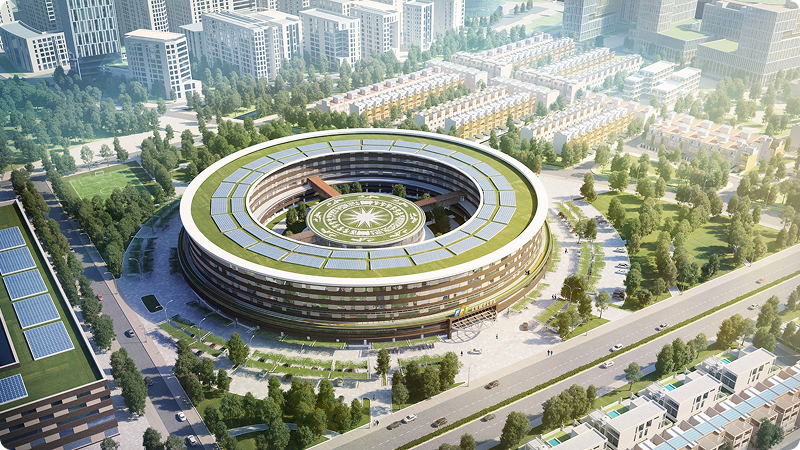
In 2025, FPT completed and put into operation 2 rooftop solar power systems at the F-Complex building (Da Nang) and a Data Center (Ho Chi Minh City), generating approximately 842,749 kWh of electricity.
Summary table comparing electricity consumption results
Summary table comparing electricity consumption results
Unit: kWh
| Item | 2024 | 2025 | +/- |
|---|---|---|---|
| Electricity consumption | 205,053,314 | 187,453,013 | -8.58% |
| Electricity from renewable energy | 0 | 842,749 | - |
| Share of electricity from renewable energy in total electricity consumption | 0% | 0.45% | - |
Unit: kWh
The 8.58% reduction in total electricity consumption compared with 2024 reflects the Corporation’s consistent and systematic efforts in implementing energy-saving solutions. This result has been achieved through the application of intelligent electricity management and optimization solutions, combined with internal communication and training programs aimed at raising awareness and changing employees’ energy consumption behavior in daily activities.
In particular, the investment in and gradual development of clean energy systems have played an important role, not only reducing the demand for electricity from conventional sources but also laying the foundation for a long-term sustainable energy transition. These efforts demonstrate the Corporation’s comprehensive approach, combining technological solutions, human factors, and infrastructure investment orientation, thereby contributing to the realization of energy efficiency and emission reduction targets in the Net Zero roadmap.
Other measures
- Adjusting operating schedules: At FPT Tower – the Corporation’s headquarters, operating schedules for technical systems and lighting systems have been adjusted, while natural lighting is utilized for office spaces during working hours;
- Using smart control systems for electricity and water equipment, such as installing automatic on/off sensors in corridors and staircases to optimize electricity consumption;
- Maintaining and carrying out periodic repairs to avoid energy losses within the system; replacing localized water heaters with centralized hot water supply systems that utilize solar energy; periodically cleaning heat exchange units, especially air-cooled condensers, to prevent dust accumulation that may reduce heat exchange efficiency;
- Enhancing the professionalism of relevant personnel to ensure proper, scientific management and operation of heating, ventilation, and air conditioning (HVAC) systems in buildings and training facilities owned by the Corporation.
For Scope 3, FPT pioneers the following initiatives:
- Public transportation/Electric vehicles (EVs): Encouraging employees to use public transportation; arranging shuttle buses for employees or operating routes at transfer points near employees’ residential areas; providing accounts for ride-hailing services. FPT also promotes the use of electric vehicles through initiatives such as installing charging stations at several office buildings and collaborating with VinFast to offer preferential programs for purchasing electric vehicles and using electric mobility services;
- Researching a forest carbon credit project aimed at offsetting greenhouse gas emissions. FPT has consulted specialized advisory units and conducted surveys in several localities such as Quang Binh, Quang Tri and Thanh Hoa to develop an overall plan for implementing the carbon credit project in the coming period;
- Reducing effects from business travel by limiting unnecessary trips, prioritizing online meetings, selecting direct flights when travel is required, and encouraging the use of environmentally friendly transportation and green mobility solutions;
- Afforestation: Successfully pioneering forest planting activities in Soc Trang (former province), Hue City and Thanh Hoa, with 4,500 trees planted in mangrove forests and nature reserve areas, contributing to climate change mitigation and ecosystem protection for the benefit of both people and nature;
- Remote working: Implementing and maintaining a hybrid working model, helping optimize travel demand and reduce greenhouse gas emissions (Scope 3).
Wastewater and other emissions management
Water and wastewater management
As an enterprise primarily operating in the technology and service sectors, FPT’s core business activities do not generate significant environmental impacts like those of manufacturing companies. However, within its operational scope, particularly at offices and buildings owned by FPT, the Corporation commits to strictly complying with legal regulations and policies related to water resources, while implementing measures to enhance water use efficiency and reduce water consumption intensity.
FPT has not recorded any legal violations related to water extraction, use, or discharge. At the policy level, FPT’s commitment to water resource management is applied consistently across all units, offices, and facilities owned by the Corporation, as well as to employees, partners, suppliers, contractors, and other stakeholders.
When designing buildings, FPT places emphasis on installing rainwater storage systems and wastewater filtration systems to maximize the reuse of this water for suitable purposes such as irrigation, thereby optimizing water consumption costs, particularly during the dry season. In addition, infrared systems and automatic rotary sprinklers are applied across all green areas within buildings to minimize water use while ensuring the growth of greenery that contributes to a nature-friendly working environment.
For water sourced from the municipal clean water system, FPT ensures consistent compliance with water-saving and water-use regulations across its buildings and campuses. Common areas are equipped with sensor-operated faucets that automatically turn off when not in use, while campaigns promoting water conservation are regularly launched across offices throughout the system.
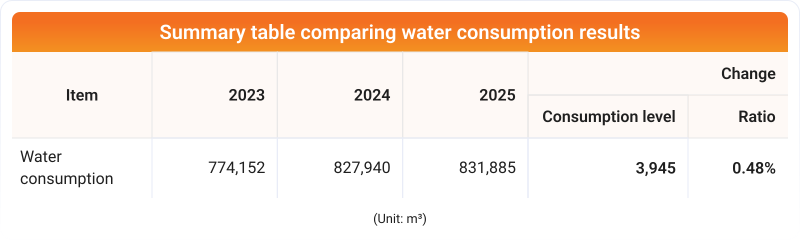
Summary table comparing water consumption results
| Item | Water consumption |
|---|---|
| 2023 | 774,152 |
| 2024 | 827,940 |
| 2025 | 831,885 |
| Consumption level | 3,945 |
| Ratio | 0.48% |
Unit:m3
In 2025, FPT’s water consumption increased by only 0.48% compared with 2024. This increase reflects the Corporation’s continued expansion of operations and business growth, while also reflecting the effectiveness of the water management and conservation measures implemented consistently across the system, including:
- Complying with regulatory requirements on wastewater treatment and recycling;
- Conducting water quality monitoring for domestic water once per month and wastewater once every three months, and preparing reports submitted to regulatory authorities under regulations;
- Adding microbial products to improve wastewater treatment efficiency in septic tanks;
- Raising awareness among employees on water conservation and environmental protection through articles, images, and videos on internal channels, as well as posters displayed in common areas;
- Actively utilizing groundwater and rainwater sources;
- Periodically inspecting and maintaining water pipeline systems to promptly detect and repair leaks to prevent water loss, while adjusting water pressure to appropriate technical levels.
Waste management
FPT implements a waste management program based on the 3R principles – Reduce, Reuse and Recycle, aiming to minimize environmental impacts and ensure responsible waste management across all operational activities.
Waste generated mainly consists of domestic waste from office operations and daily activities, including materials without hazardous components such as paper, packaging, leftover food, bottles and other consumables. These are primarily generated in office workspaces, canteens, meeting rooms, restrooms and shared areas within buildings.
In addition, a small amount of hazardous waste such as batteries, fluorescent lamps, printer cartridges and waste oil is generated from the maintenance and servicing of technical systems. These wastes account for a minor proportion of the total waste generated and are managed under dedicated procedures, collected and treated by licensed service providers in full compliance with applicable regulations.
To enhance waste management efficiency and ensure compliance with current legal regulations, FPT implements a range of integrated management measures, including:
- Providing waste sorting bins at source across facilities;
- Organizing the collection of domestic waste according to fixed schedules and transporting it to designated building transfer areas;
- Maintaining regular cleaning activities in public areas such as corridors, staircases and restrooms to limit the generation of secondary waste;
- Collaborating with licensed service providers for the collection, transportation, and treatment of domestic waste under legal regulations;
- Establishing dedicated storage areas for hazardous waste (such as batteries, lamps, and printer cartridges) with proper warning signage and full compliance with safety requirements;
- Strengthening internal communication to raise employees’ awareness of identifying, sorting, and managing waste generated in the workplace;
- Applying technological solutions to gradually replace personal computers and laptops with devices capable of extending lifecycle use, thereby reducing the volume of technology waste generated annually. One key solution is the implementation of the Thin Client model (centralized computing architecture), in which multiple end-user devices are connected to and operated through a centralized server system. This solution not only optimizes operational efficiency and saves energy but also significantly contributes to reducing electronic waste generation.
Building a green workplace
Monitoring and controlling air quality in the workplace
Paperless office
In 2025, FPT not only focused on supporting other businesses in their transition toward greener operations but also strongly promoted internal digital transformation to optimize operations and indirectly reduce negative environmental effects. Most of the Corporation’s governance and operational processes have been digitized, moving toward a smarter and more efficient enterprise model.
In addition, FPT implemented a paperless initiative, starting with a comprehensive review of all documents and classification of those requiring digital signatures or hard-copy signatures. In 2025, the paperless adoption rate at FPT reached 95.42%, with electronic transaction contracts accounting for approximately 97% of total signed contracts. Compared with 2024, these indicators showed clear improvement, helping save costs and time while contributing to environmental protection. These steps represent important progress toward the goal of becoming a paperless enterprise, minimizing environmental impact and enhancing work efficiency.
The receipt and processing of documents have also been fully digitized through a document management software system developed by the Corporation. This not only shortens processing time but also improves accuracy in document management. 100% of the Corporation’s internal documents (except for important or confidential documents) are issued electronically, creating a faster and more efficient workflow.
Document digitization rate for the 2022-2025 period
- Rate of electronically issued documents
- Rate of hard copies
In addition, the Corporation encourages employees to use technology solutions that support online meetings and virtual collaboration instead of frequent business travel, thereby reducing carbon emissions generated from personal transportation.
Ratio of online and in-person meetings for the period 2023-2025
- Online
- In-person
The chart data show that the proportion of online meetings at FPT has thrived over the years, reaching 94% in 2025, reflecting the Corporation’s efforts to strengthen the adoption of digital technologies in governance and operations. The decline in the proportion of in-person meetings helps reduce travel demand, thereby lowering energy consumption and indirect emissions, in line with the Corporation’s sustainable development objectives.
Nature-friendly and energy-efficient workplaces
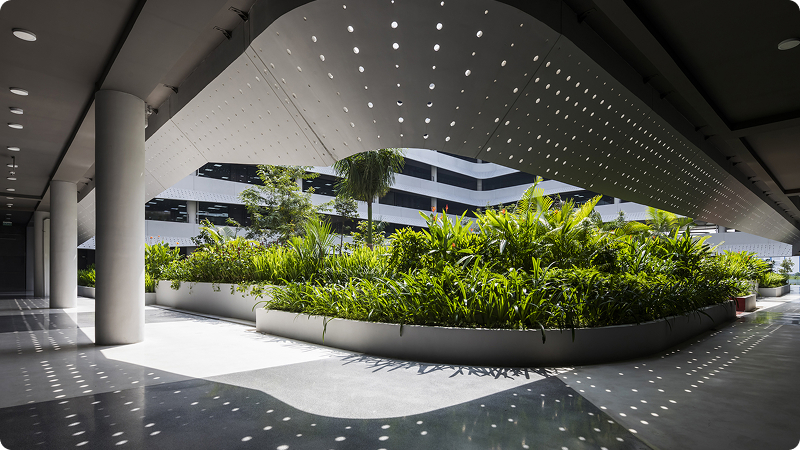
With a nationwide network of offices, FPT identifies the green office model as not only helping save energy and optimize operational costs but also creating a creative working environment, thereby fostering sustainable growth in the long term.
During the development and construction of office complexes, FPT prepares environmental impact assessment reports and strictly complies with legal regulations related to environmental protection, energy use, and waste and emissions management. From the design stage, the Corporation prioritizes the application of new technologies and environmentally friendly materials, while maximizing the use of natural energy sources to minimize energy consumption and environmental effects.
FPT’s education complexes and software parks in Hanoi, Da Nang, Binh Dinh (former province), Ho Chi Minh City and Can Tho are developed following a green campus model, integrating working spaces, training facilities, recreational areas and ecological landscapes. Several projects have been recognized by both domestic and international organizations for their green architecture and efficient resource use.
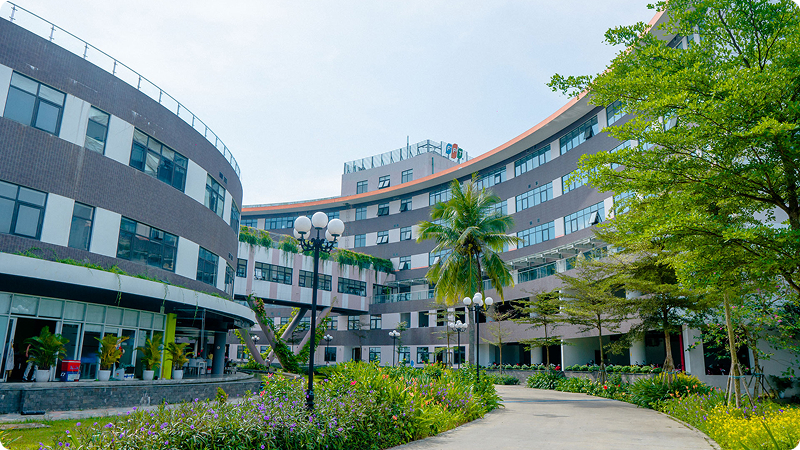
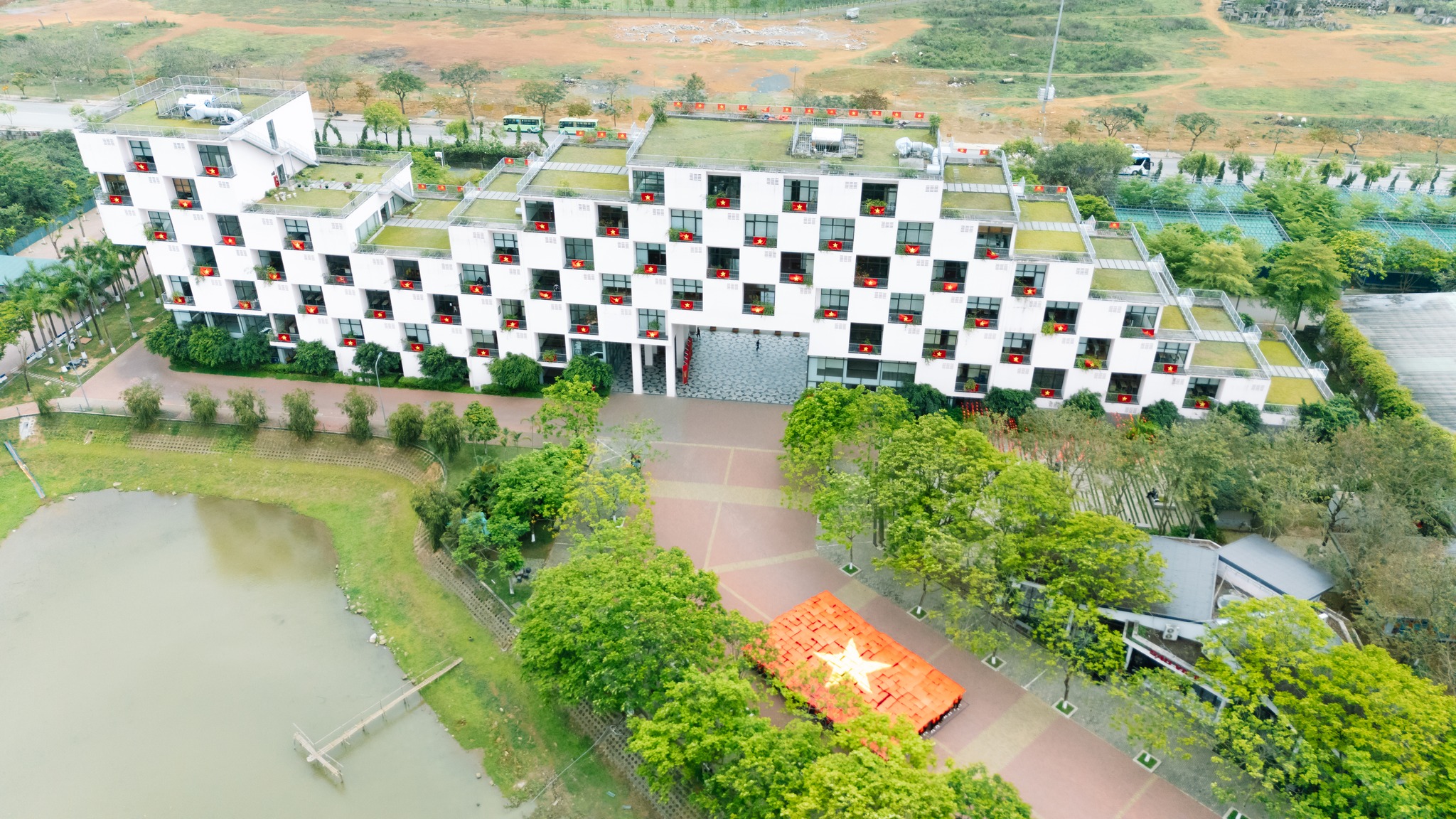
FPT prioritizes the use of solar energy to provide hot water for buildings, particularly in the northern region, thereby reducing electricity consumption and contributing to the Corporation’s environmental protection commitments.
In daily operations, the Corporation promotes the use of environmentally friendly items in offices and training facilities, such as cups and straws made from bagasse, as well as packaging and bags made from recyclable materials, gradually fostering sustainable consumption habits across the system.
